
The accounting and reporting standards developed by the International Accounting Standards Board (IASB). The most notable exception is the U.S. where business entities follow U.S. GAAP, which is the generally accepted accounting standards promulgated by the Financial Accounting Standards Board.

Accrual Principle
- Insurance Expense, Wages Expense, Advertising Expense, Interest Expense are expenses matched with the period of time in the heading of the income statement.
- Without accrual and proper matching, your institution’s cash may appear better or worse than its actual position.
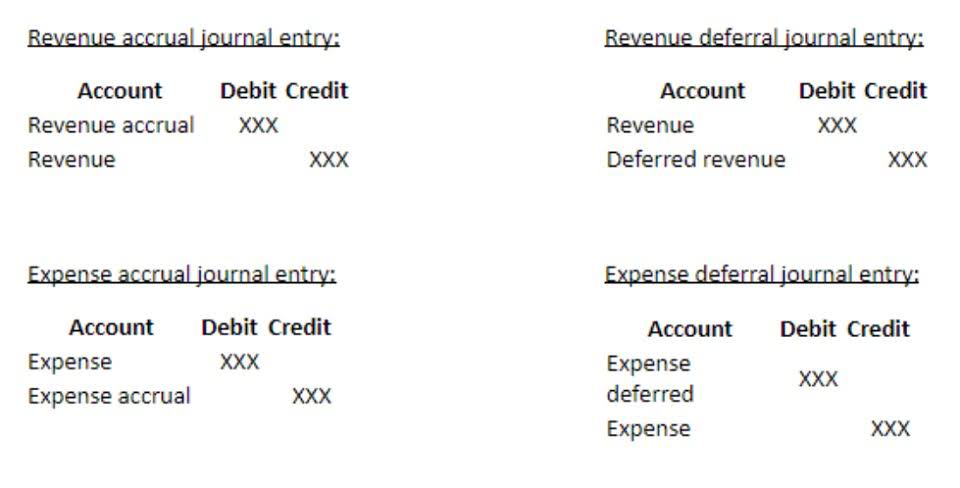
- The accrual principle states that transactions should be recorded in the accounting records when they occur, not when the cash is received or paid.
- The golden rules of accounting provide fundamental principles, with three key technical rules ensuring accuracy in the process.
- The purpose is to allocate the cost to expense in order to comply with the matching principle.
Doing so will make sure that the company’s records are stored in a safe, 3 basic accounting principles and systematic manner. Alternatively, intangible assets include goodwill, patents, copyrights, etc. Question – For 1 to 10, give the nature of each account as well as the relevant rule to be applied. From 11 to 15, identify the accounts involved, along with their nature and the respective rules.
What is the rule of journal entry?
- The only way to cease it once it has established itself is to split it.
- The balance sheet reports information as of a date (a point in time).
- Personal transactions of the owners, managers, and employees must not be mixed with transactions of the company.
- The cost principle prevents a company from recording and reporting its talented employees as assets.
This is easiest when accounting systems are integrated with the point of sale and payment gateways. It’s also possible to ensure that all software adheres to the Financial Accounting Standards Board (FASB) in terms of how expenses and revenue are recorded. Bringing both these examples together, the sales and expenses balance out to an $80,000 surplus. No, it’s not in your hands yet, but it’s reasonable to rely on the likelihood that it will be.
Liabilities Reported on the Balance Sheet

I wrote a short description for each as well as an explanation on how they relate to financial accounting. It’s important to have a basic understanding of these main accounting principles as you learn accounting. This isn’t just memorizing some accounting information for a test and then forgetting it two days later. These principles show up all over the place in How to Run Payroll for Restaurants the study of accounting.
- At a corporation it is the residual or difference of assets minus liabilities.
- Similarly, an organization should not record its increase in the market value of stock until it is sold.
- This entry point is recorded as the historical cost and serves as the basis not only for initial valuation but also for any subsequent valuation.
- Suppose you sell $100,000 worth of goods to a customer but give them Net90 arrangements since they’re creditworthy.
According to the third golden https://therockstarvas.com/financial-ratios-what-are-they-formula-types/ rule, the entries must be accustomed to appropriately recording the transaction. To record the rise in expenses incurred, you would debit the $2000 purchase (expense account) and to record the subsequent decrease in the income, you need to credit the income account. While Accounting Principles ensure financial transparency and accuracy, businesses often face challenges in applying them correctly.